
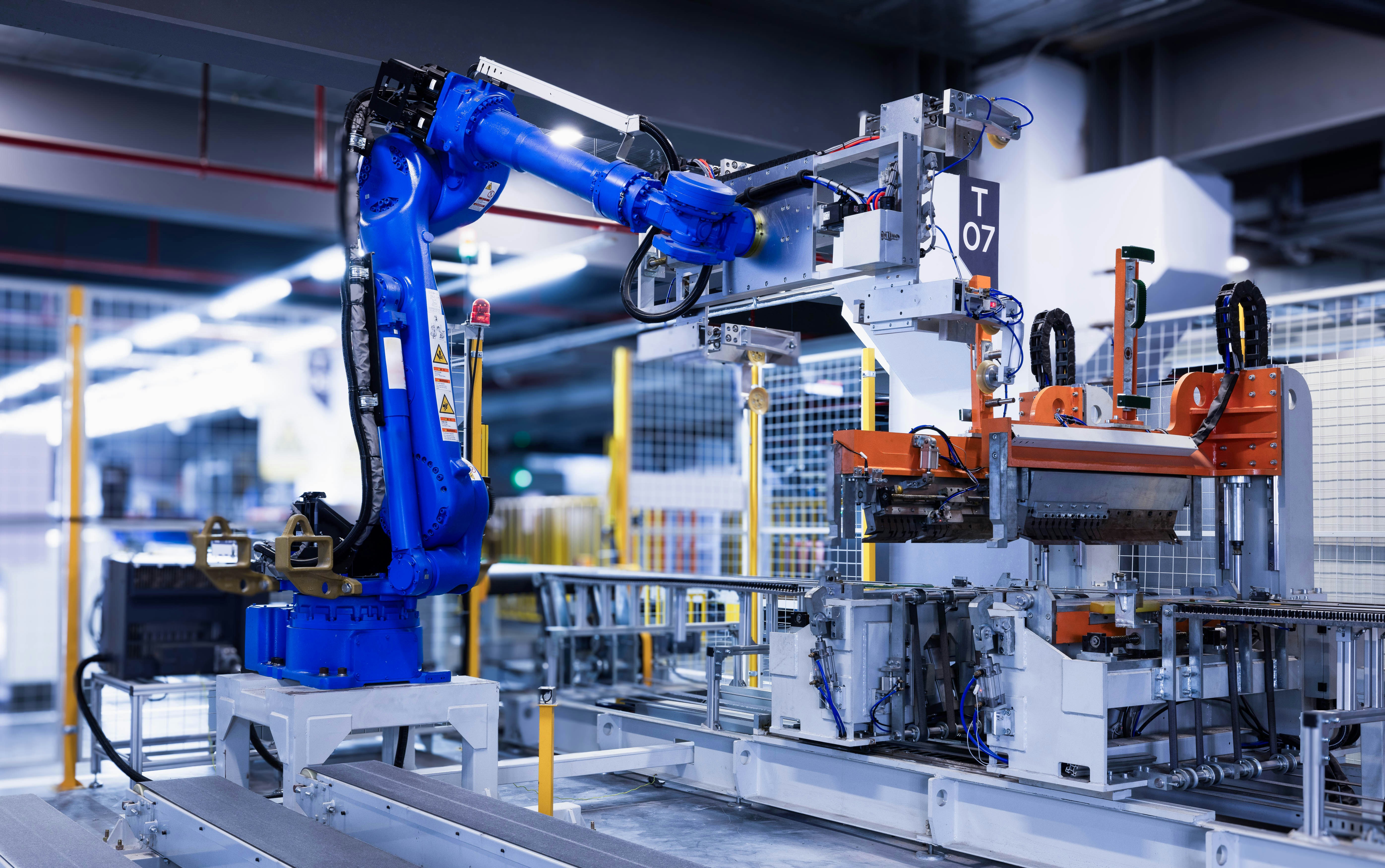
The accelerating demand for industrial autonomy is reshaping modern manufacturing floors. As companies deploy dense networks of heavy robotics, automated material handling units, and intelligent conveyor systems, their facilities require far more sophisticated power distribution systems. When thousands of automated components draw power simultaneously, even minor electrical variances can trigger widespread system faults and costly operational stoppages.
For CTOs and VP-level Engineering Directors, managing this technical complexity is often made harder by a fragmented supply chain. Sourcing enclosures from one supplier, internal wire harnesses from another, and control subassemblies from a third frequently results in serious field integration errors. By consolidating your vendor network with a true turnkey manufacturing partner, you can optimize your electrical switchgears for high-volume robotic scaling while eliminating component integration friction.
The rapid evolution of industrial robotics requires an equally rapid evolution in power management strategies. Traditional power distribution architectures were designed for static loads that changed slowly over hours. Modern automated systems change their power demands continuously, requiring infrastructure that can adapt instantly without degrading power quality.
The Integration Challenge in High Volume Robotics
High volume robotics systems demand incredibly precise, stable power. Unlike legacy industrial machinery that runs on steady, predictable electrical currents, automated systems introduce highly dynamic, fluctuating electrical loads. Rapid robotic acceleration, sudden emergency braking, and synchronized multi-axis maneuvers create frequent, sharp load changes within milliseconds.
These rapid electrical fluctuations place immense stress on the internal components of the power distribution system. If the internal contacts, fuses, and breakers are not optimized to handle this continuous cycling, they experience accelerated thermal fatigue. This can lead to premature component failure, unexpected breaker trips, and localized voltage drops that disrupt sensitive control software.
To maintain maximum uptime, your power distribution units must be engineered with advanced filtering components, ultra-fast protective relays, and perfectly matched interconnect systems. Sourcing a system that integrates these specialized capabilities requires deep expertise in both heavy power mechanics and low-voltage digital logic. This cross-disciplinary skill set is what sets advanced contract manufacturers apart.
The Operational Risk of Fragmented Vendor Networks
Imagine a logistics company building a massive automated fulfillment center. They source their heavy switchgear enclosures from a regional hardware fabrication shop. Hoping to save money on assembly costs, they purchase the internal wiring assemblies from an uncertified foreign provider and hire a local contractor to assemble the components on site.
During the initial facility live test, several high-speed sorting cranes trip their circuit breakers simultaneously. The engineering team spends days trying to diagnose the issue, tracing the failure through multiple component groups. The enclosure supplier blames the wiring company, the wiring company blames the on-site installer, and the local installer blames the initial design schematics.
Meanwhile, the facility deployment stalls, costing the company tens of thousands of dollars in unrecoverable daily operational losses. This scenario highlights the real danger of a fragmented supply chain. Without a single point of manufacturing accountability, diagnosing technical errors becomes an expensive game of finger-pointing that delays your total time to market.
Consolidating Assembly with FSE’s Turnkey Ecosystem
First Source Electronics eliminates this operational friction by acting as your single, fully accountable contract manufacturing partner. We bring every stage of the electromechanical production process into our state-of-the-art facility, providing a streamlined path from initial design to final field deployment.
Our advanced capabilities include:
- High Volume Electro Mechanical Assembly: Precision building of heavy-duty power enclosures, busbars, and complex structural frames designed for maximum structural stability.
- Scalable Cable Harness Production: Rapid production of high-density, IPC-A-620-certified wire harnesses engineered to withstand continuous motion, intense vibration, and thermal stress.
- Box Build System Integration Services: Full mechanical integration of complex programmable logic controllers, active cooling systems, and digital power meters.
- Comprehensive Functional Testing: 100% factory verification of every circuit under simulated real-world loads before shipment to eliminate infant mortality failures.
Supporting Your Warehouse Robotics Integration Strategy
As an expert warehouse robotics integration services partner, FSE knows exactly what it takes to scale modern autonomous systems. Our engineers review your entire power distribution architecture during the initial design phase to identify potential electrical or mechanical failure points before production begins. This proactive review protects your project schedule from unexpected mid-stream design revisions.
By sourcing your complete electrical switchgear systems through FSE, you guarantee that every component, from the smallest logic wire to the heaviest main circuit breaker, is fully optimized to work in perfect harmony. We ensure that your control enclosures feature the exact communication protocols and physical connections required to interface seamlessly with your automated machinery. This comprehensive integration accelerates field installation and ensures long-term reliability.
Our manufacturing model is optimized for rapid scaling, allowing you to deploy consistent, high-performance power infrastructure across multiple facilities simultaneously. Whether you are upgrading a single pilot plant or launching a nationwide automation rollout, FSE provides the production capacity and engineering precision required to keep your project on schedule.
Empower Your Automation Scaling
Stop managing multiple conflicting vendors and secure a fully integrated, high-performance power infrastructure. Contact First Source Electronics today at (410) 379-1310 to speak with a systems integration engineer, or email us at info@getfse.com to launch your custom switchgear production run today.
FAQs
Why do automated warehouse systems require specialized switchgear engineering?
Automated systems feature high-speed robots and frequent motor cycling that create irregular power spikes and harmonic distortion. Specialized switchgears use advanced filtering and high-speed relays to protect sensitive PLC networks from these power fluctuations.
How does FSE scale production for high-volume rollout schedules?
FSE operates scalable, automated wire processing and assembly lines that allow us to quickly pivot from prototype development to high-volume production runs, keeping your multi-site deployment schedules perfectly on time.
What quality standards does FSE apply to its electromechanical assemblies?
FSE builds all assemblies in strict accordance with IPC-A-620 standards for cable and wire harness quality, backed by a robust ISO 9001 quality management system to ensure absolute component reliability.
Key Takeaways
- Robotics Demand Dynamic Power: Automated systems create rapid electrical load shifts that require highly stable, ultra-fast switchgear response times.
- Vendor Fragmentation Increases Risk: Sourcing subcomponents from multiple suppliers leads to field errors, finger-pointing, and extended deployment delays.
- Turnkey Production Delivers Uptime: FSE integrates enclosure fabrication, wire harness production, and PLC integration under a single roof.
- 100% Factory Verification: Complete functional testing ensures your switchgear systems arrive ready for true plug-and-play deployment.
